•  
Nemrut's Ancient Statues - Turkey

Nemrut's Ancient Statues - Turkey

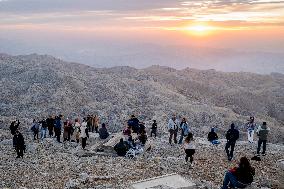
Tourists watch the sun rise over the mountains from the summit of Mount Nemrut in Adiyaman, Turkey on October 29, 2025. The UNESCO World Heritage site at 2,206 meters above sea level welcomes tens of thousands of visitors annually who photograph its colossal statues and panoramic mountain scenery. on October 29, 2025 in Adiyaman, Turkey. Photo by Bilal sequin/Middle East Images/ABACAPRESS.COM

  •  

China: Octopus Clings to Phone After Being Caught by Fisher in Fuzhou

In Fuzhou, Fujian, a video captured a man fishing when he unexpectedly caught an octopus with a phone stuck to one of its tentacles on September 28. The octopus refused to let go, wrapping its arms tightly around the device as if claiming it as its own.

  •  
Glacial forces at the edge of Antarctica

Glacial forces at the edge of Antarctica

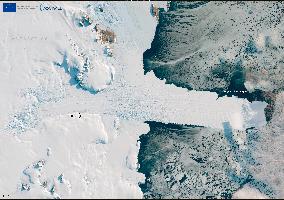
Handout photo show Copernicus Sentinel-2 image, acquired on 17 March 2025, shows the flow of the David Glacier as it feeds into the Drygalski Ice Tongue in East Antarctica. Stretching 90 km into the Ross Sea, the ice tongue is one of the largest floating ice extensions in Antarctica. The linear structure of the ice tongue reveals its dynamic forward movement over time, shaped by internal flow and ocean interaction. Ice tongues like this change in size and shape over time, reshaped by calving events, waves and storms. Copernicus delivers key data for tracking glacier dynamics and calving events in remote areas. Regular monitoring supports climate research, helping scientists assess how Antarctic ice loss contributes to global sea-level rise. Drygalski Ice Tongue, Antartica on March 17, 2025. Photo by European Union, Copernicus Sentinel-2 imagery via ABACAPRESS.COM

  •  
Preparing for Rising Seas in the Maldives

Preparing for Rising Seas in the Maldives

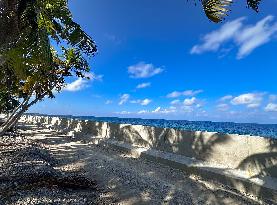
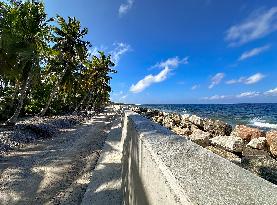
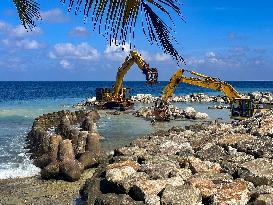
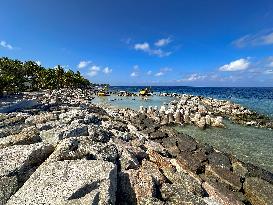
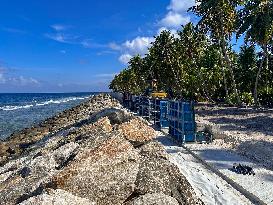
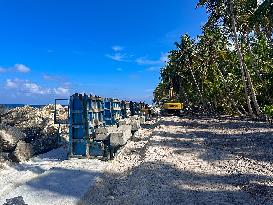
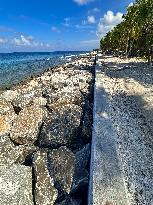
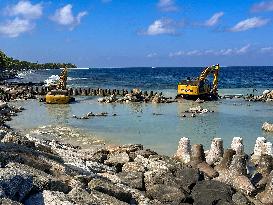
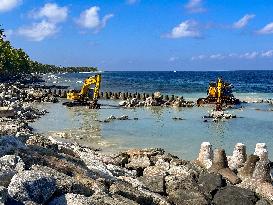
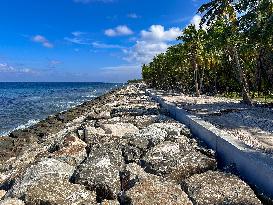
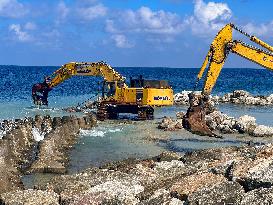
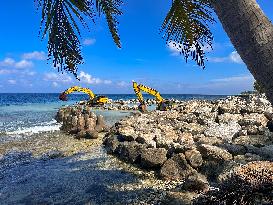
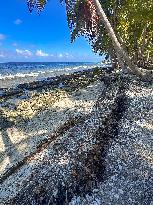
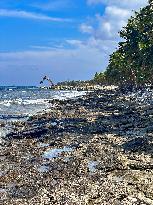
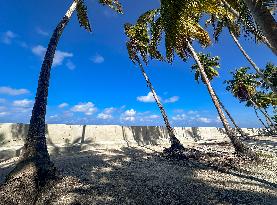
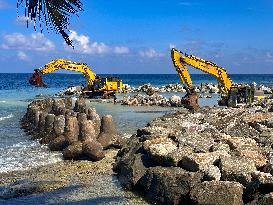
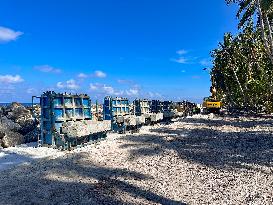
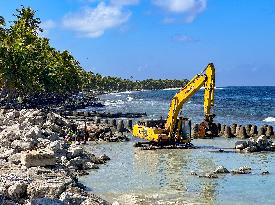
Workers build a protective dike against rising waters in the Island of Fuvahmulah, South Maldives on December 2024. With more than 80 percent of its 1,190 coral islands standing less than 1 meter above sea level, the Maldives has the lowest terrain of any country in the world. This makes the archipelago in the Indian Ocean particularly vulnerable to sea level rise. Photo by Christophe Geyres/ABACAPRESS.COM

  •  
Preparing for Rising Seas in the Maldives

Preparing for Rising Seas in the Maldives

Workers build a protective dike against rising waters in the Island of Fuvahmulah, South Maldives on December 2024. With more than 80 percent of its 1,190 coral islands standing less than 1 meter above sea level, the Maldives has the lowest terrain of any country in the world. This makes the archipelago in the Indian Ocean particularly vulnerable to sea level rise. Photo by Christophe Geyres/ABACAPRESS.COM

  •  
Preparing for Rising Seas in the Maldives

Preparing for Rising Seas in the Maldives

Workers build a protective dike against rising waters in the Island of Fuvahmulah, South Maldives on December 2024. With more than 80 percent of its 1,190 coral islands standing less than 1 meter above sea level, the Maldives has the lowest terrain of any country in the world. This makes the archipelago in the Indian Ocean particularly vulnerable to sea level rise. Photo by Christophe Geyres/ABACAPRESS.COM

  •  
Preparing for Rising Seas in the Maldives

Preparing for Rising Seas in the Maldives

Workers build a protective dike against rising waters in the Island of Fuvahmulah, South Maldives on December 2024. With more than 80 percent of its 1,190 coral islands standing less than 1 meter above sea level, the Maldives has the lowest terrain of any country in the world. This makes the archipelago in the Indian Ocean particularly vulnerable to sea level rise. Photo by Christophe Geyres/ABACAPRESS.COM

  •  
Preparing for Rising Seas in the Maldives

Preparing for Rising Seas in the Maldives

Workers build a protective dike against rising waters in the Island of Fuvahmulah, South Maldives on December 2024. With more than 80 percent of its 1,190 coral islands standing less than 1 meter above sea level, the Maldives has the lowest terrain of any country in the world. This makes the archipelago in the Indian Ocean particularly vulnerable to sea level rise. Photo by Christophe Geyres/ABACAPRESS.COM

  •  
Preparing for Rising Seas in the Maldives

Preparing for Rising Seas in the Maldives

Workers build a protective dike against rising waters in the Island of Fuvahmulah, South Maldives on December 2024. With more than 80 percent of its 1,190 coral islands standing less than 1 meter above sea level, the Maldives has the lowest terrain of any country in the world. This makes the archipelago in the Indian Ocean particularly vulnerable to sea level rise. Photo by Christophe Geyres/ABACAPRESS.COM

  •  
Preparing for Rising Seas in the Maldives

Preparing for Rising Seas in the Maldives

Workers build a protective dike against rising waters in the Island of Fuvahmulah, South Maldives on December 2024. With more than 80 percent of its 1,190 coral islands standing less than 1 meter above sea level, the Maldives has the lowest terrain of any country in the world. This makes the archipelago in the Indian Ocean particularly vulnerable to sea level rise. Photo by Christophe Geyres/ABACAPRESS.COM

  •  
Preparing for Rising Seas in the Maldives

Preparing for Rising Seas in the Maldives

Workers build a protective dike against rising waters in the Island of Fuvahmulah, South Maldives on December 2024. With more than 80 percent of its 1,190 coral islands standing less than 1 meter above sea level, the Maldives has the lowest terrain of any country in the world. This makes the archipelago in the Indian Ocean particularly vulnerable to sea level rise. Photo by Christophe Geyres/ABACAPRESS.COM

  •  
Preparing for Rising Seas in the Maldives

Preparing for Rising Seas in the Maldives

Workers build a protective dike against rising waters in the Island of Fuvahmulah, South Maldives on December 2024. With more than 80 percent of its 1,190 coral islands standing less than 1 meter above sea level, the Maldives has the lowest terrain of any country in the world. This makes the archipelago in the Indian Ocean particularly vulnerable to sea level rise. Photo by Christophe Geyres/ABACAPRESS.COM

  •  
Preparing for Rising Seas in the Maldives

Preparing for Rising Seas in the Maldives

Workers build a protective dike against rising waters in the Island of Fuvahmulah, South Maldives on December 2024. With more than 80 percent of its 1,190 coral islands standing less than 1 meter above sea level, the Maldives has the lowest terrain of any country in the world. This makes the archipelago in the Indian Ocean particularly vulnerable to sea level rise. Photo by Christophe Geyres/ABACAPRESS.COM

  •  
Preparing for Rising Seas in the Maldives

Preparing for Rising Seas in the Maldives

Workers build a protective dike against rising waters in the Island of Fuvahmulah, South Maldives on December 2024. With more than 80 percent of its 1,190 coral islands standing less than 1 meter above sea level, the Maldives has the lowest terrain of any country in the world. This makes the archipelago in the Indian Ocean particularly vulnerable to sea level rise. Photo by Christophe Geyres/ABACAPRESS.COM

  •  
Preparing for Rising Seas in the Maldives

Preparing for Rising Seas in the Maldives

Workers build a protective dike against rising waters in the Island of Fuvahmulah, South Maldives on December 2024. With more than 80 percent of its 1,190 coral islands standing less than 1 meter above sea level, the Maldives has the lowest terrain of any country in the world. This makes the archipelago in the Indian Ocean particularly vulnerable to sea level rise. Photo by Christophe Geyres/ABACAPRESS.COM

  •  
Preparing for Rising Seas in the Maldives

Preparing for Rising Seas in the Maldives

Workers build a protective dike against rising waters in the Island of Fuvahmulah, South Maldives on December 2024. With more than 80 percent of its 1,190 coral islands standing less than 1 meter above sea level, the Maldives has the lowest terrain of any country in the world. This makes the archipelago in the Indian Ocean particularly vulnerable to sea level rise. Photo by Christophe Geyres/ABACAPRESS.COM

  •  
Preparing for Rising Seas in the Maldives

Preparing for Rising Seas in the Maldives

Workers build a protective dike against rising waters in the Island of Fuvahmulah, South Maldives on December 2024. With more than 80 percent of its 1,190 coral islands standing less than 1 meter above sea level, the Maldives has the lowest terrain of any country in the world. This makes the archipelago in the Indian Ocean particularly vulnerable to sea level rise. Photo by Christophe Geyres/ABACAPRESS.COM

  •  
Preparing for Rising Seas in the Maldives

Preparing for Rising Seas in the Maldives

Workers build a protective dike against rising waters in the Island of Fuvahmulah, South Maldives on December 2024. With more than 80 percent of its 1,190 coral islands standing less than 1 meter above sea level, the Maldives has the lowest terrain of any country in the world. This makes the archipelago in the Indian Ocean particularly vulnerable to sea level rise. Photo by Christophe Geyres/ABACAPRESS.COM

  •  
Preparing for Rising Seas in the Maldives

Preparing for Rising Seas in the Maldives

Workers build a protective dike against rising waters in the Island of Fuvahmulah, South Maldives on December 2024. With more than 80 percent of its 1,190 coral islands standing less than 1 meter above sea level, the Maldives has the lowest terrain of any country in the world. This makes the archipelago in the Indian Ocean particularly vulnerable to sea level rise. Photo by Christophe Geyres/ABACAPRESS.COM

  •  
Preparing for Rising Seas in the Maldives

Preparing for Rising Seas in the Maldives

Workers build a protective dike against rising waters in the Island of Fuvahmulah, South Maldives on December 2024. With more than 80 percent of its 1,190 coral islands standing less than 1 meter above sea level, the Maldives has the lowest terrain of any country in the world. This makes the archipelago in the Indian Ocean particularly vulnerable to sea level rise. Photo by Christophe Geyres/ABACAPRESS.COM

  •  
Preparing for Rising Seas in the Maldives

Preparing for Rising Seas in the Maldives

Workers build a protective dike against rising waters in the Island of Fuvahmulah, South Maldives on December 2024. With more than 80 percent of its 1,190 coral islands standing less than 1 meter above sea level, the Maldives has the lowest terrain of any country in the world. This makes the archipelago in the Indian Ocean particularly vulnerable to sea level rise. Photo by Christophe Geyres/ABACAPRESS.COM

  •  
NORWAY-SVALBARD-CHINA-ARCTIC EXPEDITION

NORWAY-SVALBARD-CHINA-ARCTIC EXPEDITION

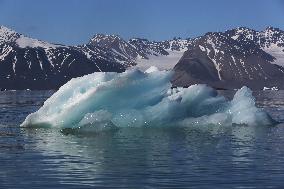
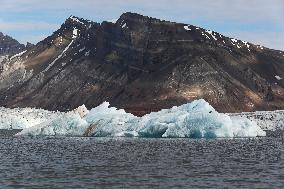
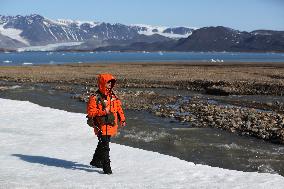
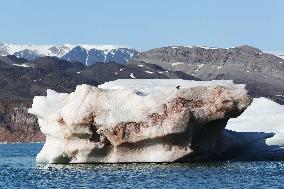
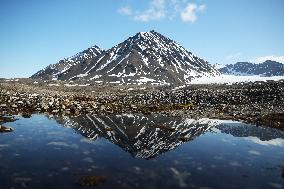
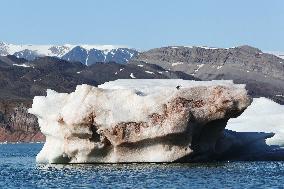
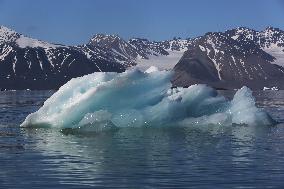
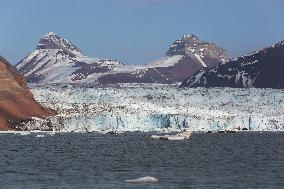
(240627) -- NY-ALESUND, June 27, 2024 Photo by Xinhua/ABACAPRESS.COM) -- This photo taken on June 22, 2024 shows an iceberg in Svalbard, Norway. Based in China's Arctic Yellow River Station, Chinese scientists research on two glaciers in Ny-Alesund of Norway's Arctic Svalbard archipelago to reveal the rate of glacier retreat around the Yellow River Station and its response to global warming, providing an important basis for predicting sea level rise and the impact of climate patterns in the future. Photo by Xinhua/ABACAPRESS.COM/Zhao Dingzhe)

  •  
NORWAY-SVALBARD-CHINA-ARCTIC EXPEDITION

NORWAY-SVALBARD-CHINA-ARCTIC EXPEDITION

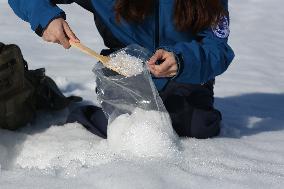
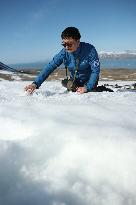
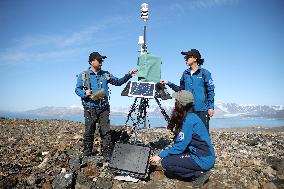
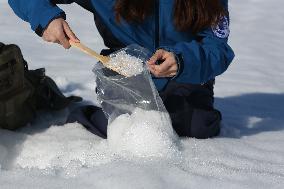
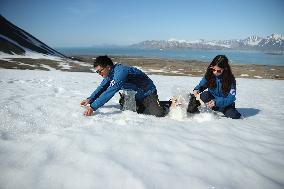
(240627) -- NY-ALESUND, June 27, 2024 Photo by Xinhua/ABACAPRESS.COM) -- Wu Xiaohan, a member of the Chinese Arctic expedition team, collects samples on the Austre Lovenbreen glacier in Svalbard, Norway, June 22, 2024. Based in China's Arctic Yellow River Station, Chinese scientists research on two glaciers in Ny-Alesund of Norway's Arctic Svalbard archipelago to reveal the rate of glacier retreat around the Yellow River Station and its response to global warming, providing an important basis for predicting sea level rise and the impact of climate patterns in the future. Photo by Xinhua/ABACAPRESS.COM/Zhao Dingzhe)

  •  
NORWAY-SVALBARD-CHINA-ARCTIC EXPEDITION

NORWAY-SVALBARD-CHINA-ARCTIC EXPEDITION

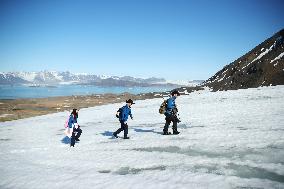
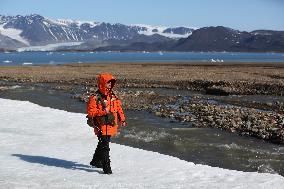
(240627) -- NY-ALESUND, June 27, 2024 Photo by Xinhua/ABACAPRESS.COM) -- Members of the Chinese Arctic expedition team head for the Austre Lovenbreen glacier in Svalbard, Norway, June 22, 2024. Based in China's Arctic Yellow River Station, Chinese scientists research on two glaciers in Ny-Alesund of Norway's Arctic Svalbard archipelago to reveal the rate of glacier retreat around the Yellow River Station and its response to global warming, providing an important basis for predicting sea level rise and the impact of climate patterns in the future. Photo by Xinhua/ABACAPRESS.COM/Zhao Dingzhe)

  •  
NORWAY-SVALBARD-CHINA-ARCTIC EXPEDITION

NORWAY-SVALBARD-CHINA-ARCTIC EXPEDITION

(240627) -- NY-ALESUND, June 27, 2024 Photo by Xinhua/ABACAPRESS.COM) -- This photo taken on June 22, 2024 shows an iceberg in Svalbard, Norway. Based in China's Arctic Yellow River Station, Chinese scientists research on two glaciers in Ny-Alesund of Norway's Arctic Svalbard archipelago to reveal the rate of glacier retreat around the Yellow River Station and its response to global warming, providing an important basis for predicting sea level rise and the impact of climate patterns in the future. Photo by Xinhua/ABACAPRESS.COM/Zhao Dingzhe)

  •  
NORWAY-SVALBARD-CHINA-ARCTIC EXPEDITION

NORWAY-SVALBARD-CHINA-ARCTIC EXPEDITION

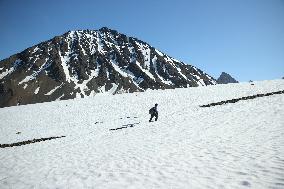
(240627) -- NY-ALESUND, June 27, 2024 Photo by Xinhua/ABACAPRESS.COM) -- Hu Zhengyi, a member of the Chinese Arctic expedition team, heads for the Austre Lovenbreen glacier in Svalbard, Norway, June 22, 2024. Based in China's Arctic Yellow River Station, Chinese scientists research on two glaciers in Ny-Alesund of Norway's Arctic Svalbard archipelago to reveal the rate of glacier retreat around the Yellow River Station and its response to global warming, providing an important basis for predicting sea level rise and the impact of climate patterns in the future. Photo by Xinhua/ABACAPRESS.COM/Zhao Dingzhe)

  •  
NORWAY-SVALBARD-CHINA-ARCTIC EXPEDITION

NORWAY-SVALBARD-CHINA-ARCTIC EXPEDITION

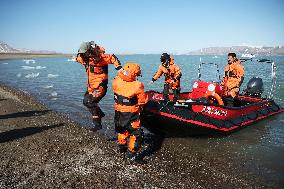
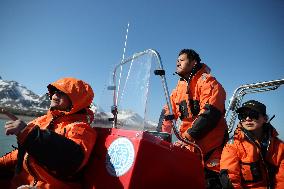
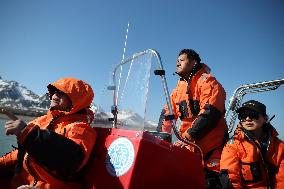
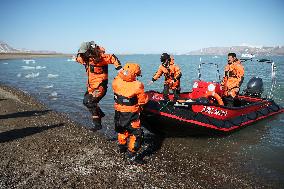
(240627) -- NY-ALESUND, June 27, 2024 Photo by Xinhua/ABACAPRESS.COM) -- Members of the Chinese Arctic expedition team take a boat out for sampling on the Austre Lovenbreen glacier in Svalbard, Norway, June 22, 2024. Based in China's Arctic Yellow River Station, Chinese scientists research on two glaciers in Ny-Alesund of Norway's Arctic Svalbard archipelago to reveal the rate of glacier retreat around the Yellow River Station and its response to global warming, providing an important basis for predicting sea level rise and the impact of climate patterns in the future. Photo by Xinhua/ABACAPRESS.COM/Zhao Dingzhe)

  •  
NORWAY-SVALBARD-CHINA-ARCTIC EXPEDITION

NORWAY-SVALBARD-CHINA-ARCTIC EXPEDITION

(240627) -- NY-ALESUND, June 27, 2024 Photo by Xinhua/ABACAPRESS.COM) -- Hu Zhengyi, a member of the Chinese Arctic expedition team, walks on the Austre Lovenbreen glacier for sampling in Svalbard, Norway, June 22, 2024. Based in China's Arctic Yellow River Station, Chinese scientists research on two glaciers in Ny-Alesund of Norway's Arctic Svalbard archipelago to reveal the rate of glacier retreat around the Yellow River Station and its response to global warming, providing an important basis for predicting sea level rise and the impact of climate patterns in the future. Photo by Xinhua/ABACAPRESS.COM/Zhao Dingzhe)

  •  
NORWAY-SVALBARD-CHINA-ARCTIC EXPEDITION

NORWAY-SVALBARD-CHINA-ARCTIC EXPEDITION

(240627) -- NY-ALESUND, June 27, 2024 Photo by Xinhua/ABACAPRESS.COM) -- Members of the Chinese Arctic expedition team take a boat out for sampling on the Austre Lovenbreen glacier in Svalbard, Norway, June 22, 2024. Based in China's Arctic Yellow River Station, Chinese scientists research on two glaciers in Ny-Alesund of Norway's Arctic Svalbard archipelago to reveal the rate of glacier retreat around the Yellow River Station and its response to global warming, providing an important basis for predicting sea level rise and the impact of climate patterns in the future. Photo by Xinhua/ABACAPRESS.COM/Zhao Dingzhe)

  •  
NORWAY-SVALBARD-CHINA-ARCTIC EXPEDITION

NORWAY-SVALBARD-CHINA-ARCTIC EXPEDITION

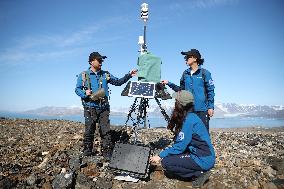
(240627) -- NY-ALESUND, June 27, 2024 Photo by Xinhua/ABACAPRESS.COM) -- Members of the Chinese Arctic expedition team check the equipment on their way to the Austre Lovenbreen glacier in Svalbard, Norway, June 22, 2024. Based in China's Arctic Yellow River Station, Chinese scientists research on two glaciers in Ny-Alesund of Norway's Arctic Svalbard archipelago to reveal the rate of glacier retreat around the Yellow River Station and its response to global warming, providing an important basis for predicting sea level rise and the impact of climate patterns in the future. Photo by Xinhua/ABACAPRESS.COM/Zhao Dingzhe)

  •  
NORWAY-SVALBARD-CHINA-ARCTIC EXPEDITION

NORWAY-SVALBARD-CHINA-ARCTIC EXPEDITION

(240627) -- NY-ALESUND, June 27, 2024 Photo by Xinhua/ABACAPRESS.COM) -- Hu Zhengyi, a member of the Chinese Arctic expedition team, collects samples on the Austre Lovenbreen glacier in Svalbard, Norway, June 22, 2024. Based in China's Arctic Yellow River Station, Chinese scientists research on two glaciers in Ny-Alesund of Norway's Arctic Svalbard archipelago to reveal the rate of glacier retreat around the Yellow River Station and its response to global warming, providing an important basis for predicting sea level rise and the impact of climate patterns in the future. Photo by Xinhua/ABACAPRESS.COM/Zhao Dingzhe)

  •  
NORWAY-SVALBARD-CHINA-ARCTIC EXPEDITION

NORWAY-SVALBARD-CHINA-ARCTIC EXPEDITION

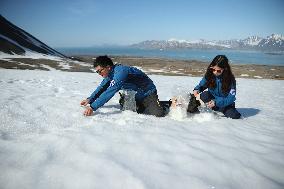
(240627) -- NY-ALESUND, June 27, 2024 Photo by Xinhua/ABACAPRESS.COM) -- Members of the Chinese Arctic expedition team collect samples on the Austre Lovenbreen glacier in Svalbard, Norway, June 22, 2024. Based in China's Arctic Yellow River Station, Chinese scientists research on two glaciers in Ny-Alesund of Norway's Arctic Svalbard archipelago to reveal the rate of glacier retreat around the Yellow River Station and its response to global warming, providing an important basis for predicting sea level rise and the impact of climate patterns in the future. Photo by Xinhua/ABACAPRESS.COM/Zhao Dingzhe)

  •  
NORWAY-SVALBARD-CHINA-ARCTIC EXPEDITION

NORWAY-SVALBARD-CHINA-ARCTIC EXPEDITION

(240627) -- NY-ALESUND, June 27, 2024 Photo by Xinhua/ABACAPRESS.COM) -- This photo taken on June 22, 2024 shows an iceberg in Svalbard, Norway. Based in China's Arctic Yellow River Station, Chinese scientists research on two glaciers in Ny-Alesund of Norway's Arctic Svalbard archipelago to reveal the rate of glacier retreat around the Yellow River Station and its response to global warming, providing an important basis for predicting sea level rise and the impact of climate patterns in the future. Photo by Xinhua/ABACAPRESS.COM/Zhao Dingzhe)

  •  
NORWAY-SVALBARD-CHINA-ARCTIC EXPEDITION

NORWAY-SVALBARD-CHINA-ARCTIC EXPEDITION

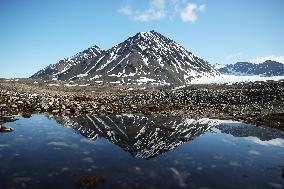
(240627) -- NY-ALESUND, June 27, 2024 Photo by Xinhua/ABACAPRESS.COM) -- This photo taken on June 22, 2024 shows snow-covered mountains near the Austre Lovenbreen glacier in Svalbard, Norway. Based in China's Arctic Yellow River Station, Chinese scientists research on two glaciers in Ny-Alesund of Norway's Arctic Svalbard archipelago to reveal the rate of glacier retreat around the Yellow River Station and its response to global warming, providing an important basis for predicting sea level rise and the impact of climate patterns in the future. Photo by Xinhua/ABACAPRESS.COM/Zhao Dingzhe)

  •  
NORWAY-SVALBARD-CHINA-ARCTIC EXPEDITION

NORWAY-SVALBARD-CHINA-ARCTIC EXPEDITION

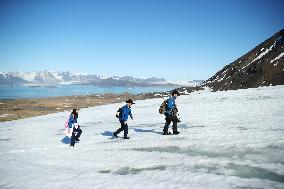
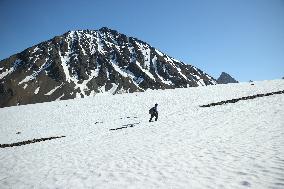
(240627) -- NY-ALESUND, June 27, 2024 Photo by Xinhua/ABACAPRESS.COM) -- Members of the Chinese Arctic expedition team walk on the Austre Lovenbreen glacier for sampling in Svalbard, Norway, June 22, 2024. Based in China's Arctic Yellow River Station, Chinese scientists research on two glaciers in Ny-Alesund of Norway's Arctic Svalbard archipelago to reveal the rate of glacier retreat around the Yellow River Station and its response to global warming, providing an important basis for predicting sea level rise and the impact of climate patterns in the future. Photo by Xinhua/ABACAPRESS.COM/Zhao Dingzhe)

  •  
NORWAY-SVALBARD-CHINA-ARCTIC EXPEDITION

NORWAY-SVALBARD-CHINA-ARCTIC EXPEDITION

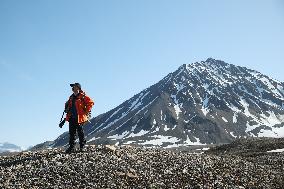
(240627) -- NY-ALESUND, June 27, 2024 Photo by Xinhua/ABACAPRESS.COM) -- Hu Zhengyi, a member of the Chinese Arctic expedition team, rests on his way to the Austre Lovenbreen glacier in Svalbard, Norway, June 22, 2024. Based in China's Arctic Yellow River Station, Chinese scientists research on two glaciers in Ny-Alesund of Norway's Arctic Svalbard archipelago to reveal the rate of glacier retreat around the Yellow River Station and its response to global warming, providing an important basis for predicting sea level rise and the impact of climate patterns in the future. Photo by Xinhua/ABACAPRESS.COM/Zhao Dingzhe)

  •  
NORWAY-SVALBARD-CHINA-ARCTIC EXPEDITION

NORWAY-SVALBARD-CHINA-ARCTIC EXPEDITION

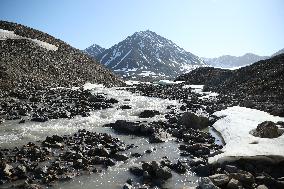
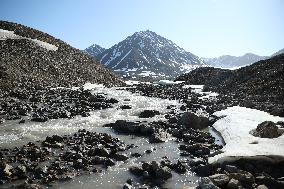
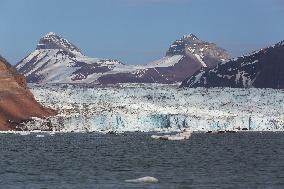
(240627) -- NY-ALESUND, June 27, 2024 Photo by Xinhua/ABACAPRESS.COM) -- This photo taken on June 22, 2024 shows a view of melting glacier in Svalbard, Norway. Based in China's Arctic Yellow River Station, Chinese scientists research on two glaciers in Ny-Alesund of Norway's Arctic Svalbard archipelago to reveal the rate of glacier retreat around the Yellow River Station and its response to global warming, providing an important basis for predicting sea level rise and the impact of climate patterns in the future. Photo by Xinhua/ABACAPRESS.COM/Zhao Dingzhe)

  •  
NORWAY-SVALBARD-CHINA-ARCTIC EXPEDITION

NORWAY-SVALBARD-CHINA-ARCTIC EXPEDITION

(240627) -- NY-ALESUND, June 27, 2024 (Xinhua) -- Members of the Chinese Arctic expedition team take a boat out for sampling on the Austre Lovenbreen glacier in Svalbard, Norway, June 22, 2024. Based in China's Arctic Yellow River Station, Chinese scientists research on two glaciers in Ny-Alesund of Norway's Arctic Svalbard archipelago to reveal the rate of glacier retreat around the Yellow River Station and its response to global warming, providing an important basis for predicting sea level rise and the impact of climate patterns in the future. (Xinhua/Zhao Dingzhe)

  •  
NORWAY-SVALBARD-CHINA-ARCTIC EXPEDITION

NORWAY-SVALBARD-CHINA-ARCTIC EXPEDITION

(240627) -- NY-ALESUND, June 27, 2024 (Xinhua) -- Members of the Chinese Arctic expedition team check the equipment on their way to the Austre Lovenbreen glacier in Svalbard, Norway, June 22, 2024. Based in China's Arctic Yellow River Station, Chinese scientists research on two glaciers in Ny-Alesund of Norway's Arctic Svalbard archipelago to reveal the rate of glacier retreat around the Yellow River Station and its response to global warming, providing an important basis for predicting sea level rise and the impact of climate patterns in the future. (Xinhua/Zhao Dingzhe)

  •  
NORWAY-SVALBARD-CHINA-ARCTIC EXPEDITION

NORWAY-SVALBARD-CHINA-ARCTIC EXPEDITION

(240627) -- NY-ALESUND, June 27, 2024 (Xinhua) -- Members of the Chinese Arctic expedition team walk on the Austre Lovenbreen glacier for sampling in Svalbard, Norway, June 22, 2024. Based in China's Arctic Yellow River Station, Chinese scientists research on two glaciers in Ny-Alesund of Norway's Arctic Svalbard archipelago to reveal the rate of glacier retreat around the Yellow River Station and its response to global warming, providing an important basis for predicting sea level rise and the impact of climate patterns in the future. (Xinhua/Zhao Dingzhe)

  •  
NORWAY-SVALBARD-CHINA-ARCTIC EXPEDITION

NORWAY-SVALBARD-CHINA-ARCTIC EXPEDITION

(240627) -- NY-ALESUND, June 27, 2024 (Xinhua) -- This photo taken on June 22, 2024 shows an iceberg in Svalbard, Norway. Based in China's Arctic Yellow River Station, Chinese scientists research on two glaciers in Ny-Alesund of Norway's Arctic Svalbard archipelago to reveal the rate of glacier retreat around the Yellow River Station and its response to global warming, providing an important basis for predicting sea level rise and the impact of climate patterns in the future. (Xinhua/Zhao Dingzhe)

  •  
NORWAY-SVALBARD-CHINA-ARCTIC EXPEDITION

NORWAY-SVALBARD-CHINA-ARCTIC EXPEDITION

(240627) -- NY-ALESUND, June 27, 2024 (Xinhua) -- This photo taken on June 22, 2024 shows snow-covered mountains near the Austre Lovenbreen glacier in Svalbard, Norway. Based in China's Arctic Yellow River Station, Chinese scientists research on two glaciers in Ny-Alesund of Norway's Arctic Svalbard archipelago to reveal the rate of glacier retreat around the Yellow River Station and its response to global warming, providing an important basis for predicting sea level rise and the impact of climate patterns in the future. (Xinhua/Zhao Dingzhe)

  •  
NORWAY-SVALBARD-CHINA-ARCTIC EXPEDITION

NORWAY-SVALBARD-CHINA-ARCTIC EXPEDITION

(240627) -- NY-ALESUND, June 27, 2024 (Xinhua) -- Hu Zhengyi, a member of the Chinese Arctic expedition team, heads for the Austre Lovenbreen glacier in Svalbard, Norway, June 22, 2024. Based in China's Arctic Yellow River Station, Chinese scientists research on two glaciers in Ny-Alesund of Norway's Arctic Svalbard archipelago to reveal the rate of glacier retreat around the Yellow River Station and its response to global warming, providing an important basis for predicting sea level rise and the impact of climate patterns in the future. (Xinhua/Zhao Dingzhe)

  •  
NORWAY-SVALBARD-CHINA-ARCTIC EXPEDITION

NORWAY-SVALBARD-CHINA-ARCTIC EXPEDITION

(240627) -- NY-ALESUND, June 27, 2024 (Xinhua) -- Wu Xiaohan, a member of the Chinese Arctic expedition team, collects samples on the Austre Lovenbreen glacier in Svalbard, Norway, June 22, 2024. Based in China's Arctic Yellow River Station, Chinese scientists research on two glaciers in Ny-Alesund of Norway's Arctic Svalbard archipelago to reveal the rate of glacier retreat around the Yellow River Station and its response to global warming, providing an important basis for predicting sea level rise and the impact of climate patterns in the future. (Xinhua/Zhao Dingzhe)

  •  
NORWAY-SVALBARD-CHINA-ARCTIC EXPEDITION

NORWAY-SVALBARD-CHINA-ARCTIC EXPEDITION

(240627) -- NY-ALESUND, June 27, 2024 (Xinhua) -- Members of the Chinese Arctic expedition team head for the Austre Lovenbreen glacier in Svalbard, Norway, June 22, 2024. Based in China's Arctic Yellow River Station, Chinese scientists research on two glaciers in Ny-Alesund of Norway's Arctic Svalbard archipelago to reveal the rate of glacier retreat around the Yellow River Station and its response to global warming, providing an important basis for predicting sea level rise and the impact of climate patterns in the future. (Xinhua/Zhao Dingzhe)

  •  
NORWAY-SVALBARD-CHINA-ARCTIC EXPEDITION

NORWAY-SVALBARD-CHINA-ARCTIC EXPEDITION

(240627) -- NY-ALESUND, June 27, 2024 (Xinhua) -- This photo taken on June 22, 2024 shows an iceberg in Svalbard, Norway. Based in China's Arctic Yellow River Station, Chinese scientists research on two glaciers in Ny-Alesund of Norway's Arctic Svalbard archipelago to reveal the rate of glacier retreat around the Yellow River Station and its response to global warming, providing an important basis for predicting sea level rise and the impact of climate patterns in the future. (Xinhua/Zhao Dingzhe)

  •  
NORWAY-SVALBARD-CHINA-ARCTIC EXPEDITION

NORWAY-SVALBARD-CHINA-ARCTIC EXPEDITION

(240627) -- NY-ALESUND, June 27, 2024 (Xinhua) -- Hu Zhengyi, a member of the Chinese Arctic expedition team, walks on the Austre Lovenbreen glacier for sampling in Svalbard, Norway, June 22, 2024. Based in China's Arctic Yellow River Station, Chinese scientists research on two glaciers in Ny-Alesund of Norway's Arctic Svalbard archipelago to reveal the rate of glacier retreat around the Yellow River Station and its response to global warming, providing an important basis for predicting sea level rise and the impact of climate patterns in the future. (Xinhua/Zhao Dingzhe)

  •  
NORWAY-SVALBARD-CHINA-ARCTIC EXPEDITION

NORWAY-SVALBARD-CHINA-ARCTIC EXPEDITION

(240627) -- NY-ALESUND, June 27, 2024 (Xinhua) -- Members of the Chinese Arctic expedition team collect samples on the Austre Lovenbreen glacier in Svalbard, Norway, June 22, 2024. Based in China's Arctic Yellow River Station, Chinese scientists research on two glaciers in Ny-Alesund of Norway's Arctic Svalbard archipelago to reveal the rate of glacier retreat around the Yellow River Station and its response to global warming, providing an important basis for predicting sea level rise and the impact of climate patterns in the future. (Xinhua/Zhao Dingzhe)

  •  
NORWAY-SVALBARD-CHINA-ARCTIC EXPEDITION

NORWAY-SVALBARD-CHINA-ARCTIC EXPEDITION

(240627) -- NY-ALESUND, June 27, 2024 (Xinhua) -- Members of the Chinese Arctic expedition team take a boat out for sampling on the Austre Lovenbreen glacier in Svalbard, Norway, June 22, 2024. Based in China's Arctic Yellow River Station, Chinese scientists research on two glaciers in Ny-Alesund of Norway's Arctic Svalbard archipelago to reveal the rate of glacier retreat around the Yellow River Station and its response to global warming, providing an important basis for predicting sea level rise and the impact of climate patterns in the future. (Xinhua/Zhao Dingzhe)

  •  
NORWAY-SVALBARD-CHINA-ARCTIC EXPEDITION

NORWAY-SVALBARD-CHINA-ARCTIC EXPEDITION

(240627) -- NY-ALESUND, June 27, 2024 (Xinhua) -- This photo taken on June 22, 2024 shows a view of melting glacier in Svalbard, Norway. Based in China's Arctic Yellow River Station, Chinese scientists research on two glaciers in Ny-Alesund of Norway's Arctic Svalbard archipelago to reveal the rate of glacier retreat around the Yellow River Station and its response to global warming, providing an important basis for predicting sea level rise and the impact of climate patterns in the future. (Xinhua/Zhao Dingzhe)

  • Main
  • Top
  • Editorial
  • Creative
  • About Us
  • About ILG
  • Terms of use
  • Company
  • BEHIND
  • Price List
  • Single Plan
  • Monthly Plan
  • Services
  • Shooting
  • Rights Clearance
  • Support
  • FAQ
  • How To Buy
  • Contact Us
  • Become a Partner

© KYODO NEWS IMAGES INC

All Rights Reserved.

  • Editorial
  • Olympics
  • News
  • Sports
  • Japan
  • Tech
  • Royal
  • Disaster
  • NorthKorea
  • Old Japan
  • SNS
  • Creative
  • Food
  • Japan
  • Landscape
  • Animal
  • Popular
  • #Ukraine
  • #Thailand
  • #coronavirus
  • #N. Korea
  • #China
  • #Russia
  • #Ukraine
  • #Thailand
  • #coronavirus
  • #N. Korea
  • #China
  • #Russia
  • Food
  • Japan
  • Landscape
  • Animal
  • Olympics
  • News
  • Sports
  • Japan
  • Tech
  • Royal
  • Disaster
  • NorthKorea
  • Old Japan
  • SNS